


Black Spades - Jokers & Prizes
3.51.16K Reviews
App Specs
- Version
- 3.16.2
- Updated On
- License
- Free
- Downloads
- 100,000+
- Developer
- Konsole Kingz, LLC
- Categories
- Card
- Platform
- Android
Screenshots



 Analysis by AppCompare
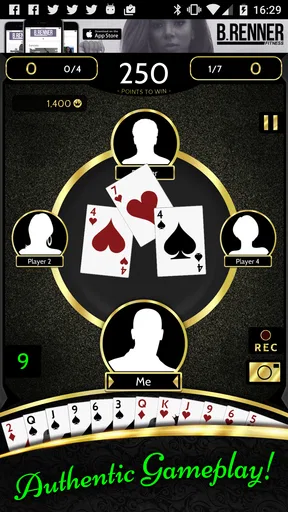
Black Spades - Jokers & Prizes is a card game built around a familiar trick-taking format, but it does not play like a completely standard round of spades. Its identity comes from the extra rule options: Jokers, Wild Deuces, Blinds, Reneges and prizes all affect how I plan a hand. I found it most interesting when I stopped treating it as a simple way to pass a few minutes and started using a repeatable approach to bidding, card counting and risk control.
The game is free to download, with optional in-app purchases ranging from $0.99 to $24.99 per item. It comes from Konsole Kingz, LLC, and its Teen content rating makes sense for a competitive card game with a more mature presentation than a basic family solitaire app. It has passed 100K installs, with an average of 3.5 from around 2.2K ratings and about 1.2K written reviews. Those figures suggest a real player base, although not universal approval.
How a normal session actually works
My best starting point is to play several hands without trying to exploit every special rule immediately. The core rhythm remains recognizable: I inspect my cards, estimate how many tricks I can take, place a bid, and then try to deliver that bid while watching what the other players reveal. That basic discipline matters even more here because unusual cards can tempt me into making an optimistic prediction.
The first practical habit is to separate guaranteed strength from speculative strength. A long suit, a high spade, or a powerful special card may look impressive in isolation, but the value depends on when I can use it. I try to decide which tricks are genuinely secure before counting cards that only become useful if the table develops in a particular way. This keeps the opening bid from becoming a guess based on the most exciting card in my hand.
Jokers change that calculation. Rather than treating one as an automatic reason to bid aggressively, I consider whether it helps me control the middle of the hand or merely gives me a single strong moment. A Joker can protect a contract, but it can also create a false sense of security if the rest of my cards are weak. I get better results when I ask what problem the card solves: winning an early trick, covering a dangerous lead, or rescuing a bid late in the round.
Wild Deuces create a similar temptation. Their flexibility is valuable, but flexibility is not the same as certainty. I prefer to keep a Wild Deuce available until I understand the table’s direction, especially when the opening tricks have not yet shown which suits are safe. Spending it too early can leave me without a useful response when an opponent forces an awkward decision.
Blinds make the opening more uncomfortable because they put pressure on the bid before I have the complete information I would normally rely on. I handle those hands by lowering my confidence rather than trying to compensate with an inflated target. If the rules or table situation make the blind especially punishing, a conservative plan is usually more useful than chasing a dramatic score swing.
Worth Reading Before You Choose

EA SPORTS FC Mobile 26 Is a Bigger Football Game, but It Takes Time

Flipboard Shows What News Apps Must Do Beyond the Feed

Switching to Android Auto Means Rethinking Your Driving Routine

Google Calendar Makes a Crowded Week Easier to Manage

Ludo King Makes the Most of the Minutes Between Plans

Baby Panda World Brings Quick Play to Modern Phones, but Its Game Library Feels Busy
Reneges are another reason to pay attention even when I am not leading. I need to remember which suits have already been played and whether a player was able to follow suit. A missed follow can tell me more than a flashy winning card because it changes what that player may still be holding. In practice, I find it helpful to track suit shortages rather than attempting to remember every individual card.
The prize element gives the session an extra reason to care about the result, but it should not replace sound play. I treat prizes as a reason to focus, not as a reason to gamble on every hand. If I am playing while distracted, the special rules become noise. If I am paying attention, they create meaningful decisions that a plain spades table might not offer.
Settings and table choices worth checking
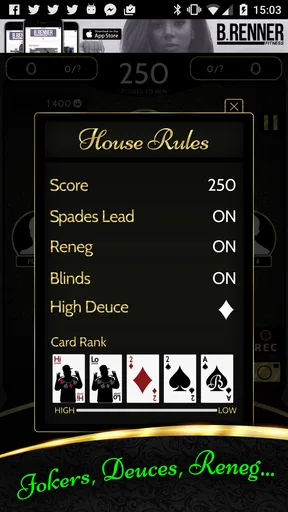
Before settling into regular play, I would look through the available game and table options carefully. The important question is not simply whether a setting exists, but whether it changes the type of decision I want to make. A session with Jokers and Wild Deuces emphasizes tactical adaptation, while a more familiar setup lets me concentrate on conventional bidding and partnership awareness.
I recommend changing one element at a time rather than turning on every unusual option immediately. That makes it easier to understand why a hand felt difficult. If I activate several special rules together and then lose, I cannot tell whether the trouble came from blind bidding, an unfamiliar card hierarchy, or a poor estimate of my own hand.
For a relaxed session, I prefer a setup that keeps the standard flow recognizable and introduces only one extra source of uncertainty. This is also the best way to learn the game if you already know ordinary spades but have not played this interpretation before. Once the card interactions feel natural, combining more demanding options becomes less overwhelming.
Experienced players should also pay attention to how the table’s scoring pressure affects their decisions. A prize-oriented objective can make a conservative hand feel different from a casual hand, but the correct response is not always to bid higher. Sometimes the stronger move is to protect a modest contract and wait for a better opportunity. I find that this distinction prevents the reward system from controlling my entire style.
One useful routine is to pause after a confusing hand and identify the exact source of the mistake. Was the bid too high? Did I spend a flexible card before the suit situation was clear? Did I fail to notice a possible renege? This short review is more valuable than simply starting another hand because it turns a vague loss into a specific adjustment.
The game is available for free, but optional purchases can affect how a player approaches extended sessions. I would decide in advance whether I am playing casually or investing in extras, rather than making a purchase in response to frustration. The free entry point is a strength for trying the format, while the presence of item purchases means players who want a completely purchase-free environment should pay attention to their own spending habits.
Repeatable habits that make rounds faster
My fastest improvement came from using the same hand-reading sequence every time. First I count likely winners. Then I look for suits that may become useful after they are exhausted. Finally I reserve a response for the moment when the table stops behaving as expected. This takes less time than repeatedly reconsidering the whole hand and makes my bids more consistent.
I also try to decide my preferred opening lead before the first trick begins. That does not mean I always follow the plan. It means I know which suit or card I want to test and what information I hope to gain. A deliberate lead can reveal whether an opponent is short in a suit, protect a vulnerable side card, or force someone to spend a special resource earlier than planned.
When I have a Joker or Wild Deuce, I mark it mentally as a resource with a job. For example, I may reserve it to cover the contract if my normal winners disappear, or I may use it to regain control after an opponent establishes a suit. Giving the card a purpose reduces impulsive plays. The right moment is often later than the moment when the card first looks attractive.
Another efficient pattern is to track the table by suit rather than by player. I ask which suits are still active, which ones have been exhausted, and who appears unable to follow. This is easier to maintain during a quick game and still gives me enough information to predict where a trick may swing. It also helps me detect a possible renege without needing perfect memory of every card.
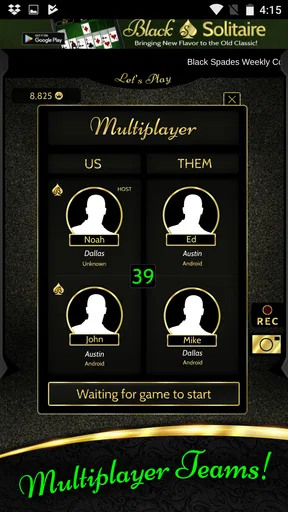
Partnership play rewards communication through card choice rather than through elaborate theory. I try to lead in a way that gives my partner useful information while avoiding an unnecessary gift to the opponents. If my partner wins a trick, I take note of what they chose to return. A repeated suit, a cautious discard, or an unexpected use of a special card can reveal their priorities for the rest of the hand.
For a realistic everyday session, imagine having a short break and wanting something more engaging than a random quick game. I would play a few hands with a stable rule setup, use the same bidding checklist, and stop after a clear mistake rather than continuing on autopilot. That approach makes the game feel like a focused mental exercise instead of a string of disconnected wins and losses.
Players who want faster rounds should avoid changing strategy every time the result goes badly. A single failed bid does not prove that the entire approach is wrong. I compare the estimate with the cards I actually had and ask whether the error was mathematical or emotional. This is especially important when a Joker, Wild Deuce or blind condition makes the result feel more dramatic than the decision really was.
Where the special rules help and where they hurt
The biggest strength of this version is variety. Standard spades can become predictable once I know the usual bidding patterns, but the added rule elements force me to reassess the hand. A Joker can overturn an expected trick, a Wild Deuce can preserve flexibility, and a blind can make the opening decision uncomfortable. Together, these features create more tactical texture than a bare-bones card table.
The trade-off is that the game can feel less clean than conventional spades. If I want to practice traditional bidding with minimal surprises, the special rules may distract from the fundamentals. A player who enjoys carefully calculating suit distribution might prefer an alternative that stays closer to the classic format. This game is better suited to someone who enjoys uncertainty and accepts that a clever plan can be disrupted by the rules.
The prize structure can also change the emotional pace. Rewards make a successful hand feel more meaningful, but they may encourage some players to chase outcomes instead of evaluating risk. I think the healthiest approach is to keep a personal limit on optional spending and to judge progress by better decisions, not only by the result of one high-pressure round.
The average rating of 3.5 indicates a mixed reception, and my experience explains why that is plausible. The concept is distinctive, but distinctiveness comes with a learning curve. New players must understand not only spades but also how the added mechanics alter normal expectations. The interface and pacing may feel straightforward after practice, yet the strategic consequences take longer to absorb.
Its Teen rating should also be considered by families looking for a very simple card game for younger children. I would not choose it automatically for a child’s first introduction to trick-taking cards. The extra rule layers, competitive pressure and more mature target audience make it a better fit for teens and adults who are comfortable learning a variation rather than a basic tutorial-style game.
Device compatibility matters before downloading. The current version is 3.16.2 and requires operating system 11 or later. That is not a concern on a reasonably current phone or tablet, but anyone using an older device should check the system version first. A card game does not justify replacing a device, so compatibility is an easy reason to skip it if the hardware is not supported.
Questions I would answer before recommending it
Is it suitable for someone who already knows spades? Yes, but I would expect an adjustment period. Familiar bidding knowledge gives you a useful foundation, yet it can also create bad habits if you assume every card behaves exactly as it would in a standard game. Start with a restrained setup, learn how the special cards influence trick control, and only then increase the complexity.
Is it a good choice for a complete beginner? It can work if the player enjoys learning through experimentation, but it is not my first recommendation for someone who wants the simplest possible card tutorial. The best beginner workflow is to focus on ordinary trick-taking logic first: follow suit, identify winners, estimate a realistic bid, and observe the table. Treat the unusual cards as additions rather than trying to master everything at once.
Can I play it casually without becoming a serious strategist? Absolutely. I can enjoy a few hands by making sensible bids and reacting to the table. However, the game reveals more of its value when I pay attention to suit shortages and resource timing. Casual players should not feel obligated to memorize every detail, but they will have a better experience if they avoid random bids and accept that special rules can reverse a comfortable-looking hand.
Should I spend money to enjoy it? I would try the free version first and decide whether the core loop keeps me interested. Optional items may appeal to dedicated players, but purchasing is not a substitute for understanding the rules or improving hand evaluation. If the game is only an occasional distraction, the free entry point is likely enough. If it becomes a regular hobby, set a clear budget before buying anything.
Is it better than a traditional spades app? That depends on what I want. I choose this one when I want Jokers, Wild Deuces, blinds, reneges and prize-driven tension to make familiar rounds less predictable. I would choose a traditional alternative for a cleaner ruleset, more direct practice of classic bidding, or a calmer experience with fewer variables. Neither approach is automatically superior; they serve different moods and skill goals.
My verdict after learning its rhythm
Black Spades - Jokers & Prizes is most appealing when I want a recognizable card game with enough variation to prevent routine play. Its strongest idea is not any single special card, but the way several sources of uncertainty change the value of planning. The game rewards players who can stay conservative when information is incomplete and become aggressive only when the hand supports it.
I recommend it to spades fans who enjoy adapting mid-round, teens and adults looking for a competitive card game, and players who like turning a short break into a small strategic challenge. I would be more cautious about recommending it to someone seeking a pure classic ruleset, a completely relaxed family game, or a card app with no optional purchase pressure.
The developer, Konsole Kingz, LLC, has created a variation that feels deliberately different rather than merely repackaged. The free price makes it easy to test, while the Teen rating and operating system requirement are worth considering before installation. Its 100K-plus install base shows that the concept has found an audience, even though the middling average suggests the experience will not satisfy everyone.
My final advice is to begin with a stable setup, bid from reliable winners instead of exciting possibilities, and assign every Joker or Wild Deuce a purpose before playing it. Watch for suit shortages, treat a possible renege as information, and review mistakes one decision at a time. With those habits, the extra rules become strategic tools rather than complications. Without them, the same features can make the game feel arbitrary. For me, that makes this a worthwhile recommendation for thoughtful card players, but not a universal replacement for ordinary spades.
Pros
- Easy-to-learn rules make it accessible for casual card-game players.
- Online multiplayer adds variety through matches against real opponents.
- Jokers can create exciting comebacks and change the flow of a hand.
- Prize-focused progression gives regular players extra motivation.
- Quick rounds fit well into short gaming sessions.
Cons
- Match quality may depend heavily on the strength of your opponents.
- Random card draws can make some rounds feel unfair or frustrating.
- Prize systems may encourage frequent play or in-app purchases.
- A stable internet connection is generally required for online matches.
- Players looking for traditional Spades may dislike the added Joker mechanics.
FAQs for Black Spades - Jokers & Prizes
What is Black Spades - Jokers & Prizes?
Black Spades - Jokers & Prizes is a mobile card game centered on the classic Spades experience, with added jokers, competitive matches, and prize-oriented features. It is designed for players who enjoy trick-taking games but want a more modern presentation and additional strategic options. Before downloading, remember that available modes, rewards, and matchmaking features may depend on your device, location, account status, and the current version of the app.
How do you play Black Spades - Jokers & Prizes?
The main gameplay follows the familiar rules of Spades: players estimate how many tricks they can win, choose a bid, and try to meet that bid while spades act as the trump suit. The joker cards can introduce extra tactical decisions, so understanding when to use them is important. New players should review the in-game instructions and begin with lower-pressure matches before entering more competitive games.
Does Black Spades - Jokers & Prizes offer real prizes or cash rewards?
The title includes prizes, but users should carefully check the official game rules, reward terms, eligibility requirements, and regional restrictions before assuming that winnings are guaranteed or redeemable for cash. Prize systems can change and may involve specific tournaments, entry conditions, verification, or limitations. Treat rewards as part of the game experience, avoid spending more than you can afford, and confirm the current details inside the app.
Is Black Spades - Jokers & Prizes free to download and play?
The app may be available to download without an upfront purchase, but free access does not necessarily mean every feature is completely free. Games of this type can include optional purchases, advertisements, entry fees, virtual currency, or other monetized elements. Review the store listing and in-app purchase information before playing, and use parental controls or spending limits if the application will be used by younger players.
Can I play Black Spades - Jokers & Prizes offline or with friends?
Because matchmaking, account progress, competitions, and prize-related functions generally require communication with online servers, a stable internet connection may be necessary for the complete experience. Availability of private tables, friend invitations, leaderboards, and multiplayer options can vary by version. If you plan to play while traveling or with limited connectivity, check the current app requirements and test which features remain accessible offline.


